Broadband in the Rearview Mirror, Connectivity and Opportunity On the Horizon
Drew Lentz · 2026-08-31

Two days at the Broadband Communities Summit in Houston convinced me the conference isn't the one having an identity crisis. The industry is.
Not because we don't know what we're doing, but quite the opposite, because we've gotten remarkably good at the infrastructure problem we spent decades trying to solve, and the questions that are still open have moved to what happens after someone is connected. Nobody has answered who pays for that part. We can find money to trench fiber, we can finance infrastructure and we can buy equipment, but who pays for the digital navigator five years later?
There is proof that the second half can work. In Pharr, Texas, the city's network reached operating break-even in about two years and roughly 13,100 subscribers, and it got there by pairing an affordable service with adoption work, digital literacy training and devices.
If I came expecting a traditional technology conference I was wrong, and if I came expecting a traditional broadband conference I was also wrong. What changed my mind is below: a second digital divide forming, the long tail nobody funds, the four legs that turn connectivity into opportunity, and why the MDU half of the show may be a leading indicator for the other half.
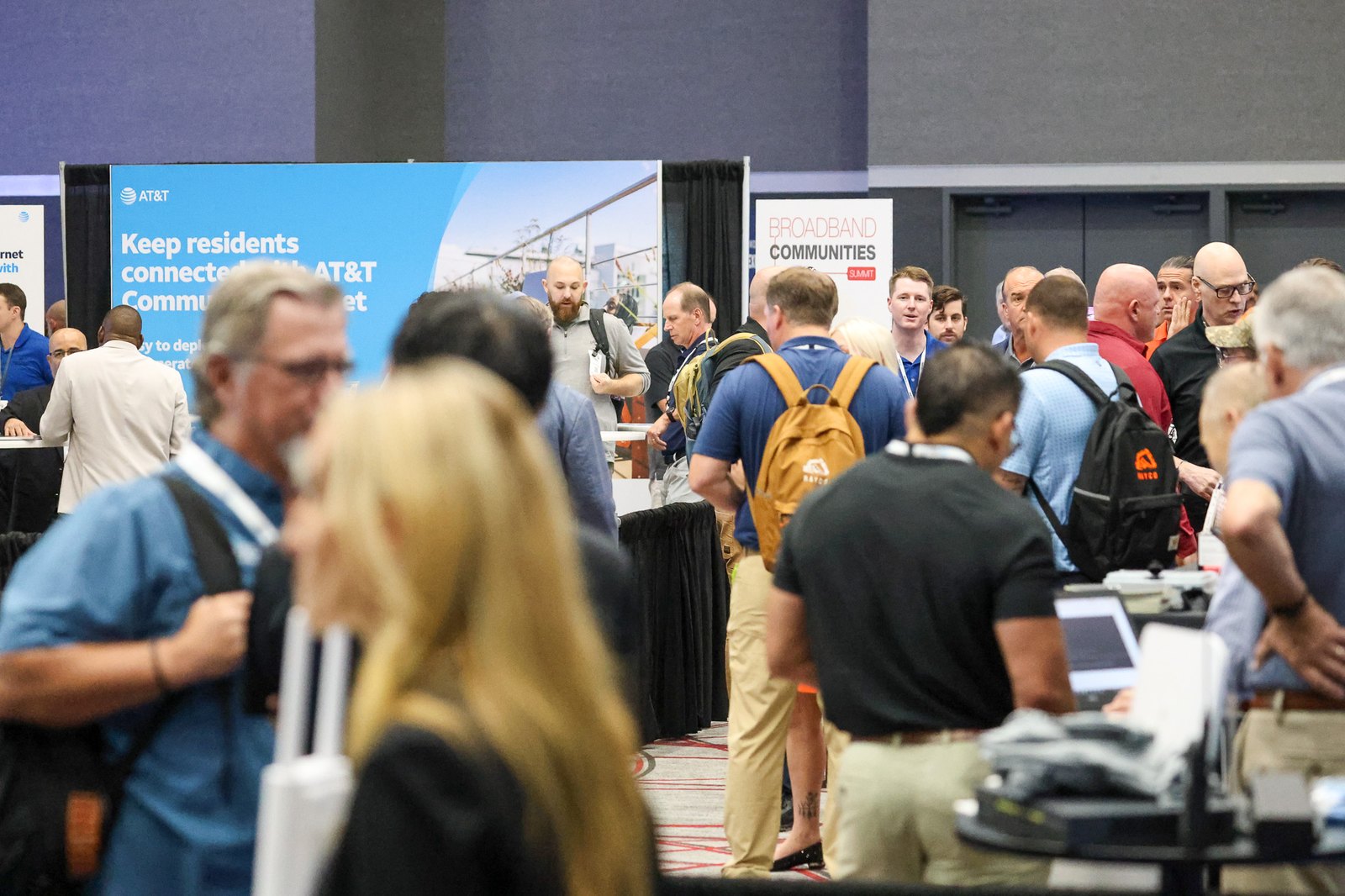
At times the show itself almost seemed to be having that crisis. On one side there was a massive emphasis on MDU, with apartment owners, property managers, managed Wi-Fi, bulk connectivity, resident experience and all the technology being built around it. On the other side were municipalities, rural communities, nonprofits, digital equity advocates, funding conversations and people still trying to answer some of the most fundamental questions around getting communities connected. Then there was the show floor, which had fiber, Wi-Fi, 60 GHz, distribution, television providers, infrastructure, software and more than a few things I wasn't expecting to see at a broadband show. Initially it felt scattered, and by the end of the Summit I had stopped reading that as a programming problem.
The center of gravity is moving beyond infrastructure
I've been preaching some version of this for years through the work we've done with nonprofits and communities in the Rio Grande Valley, which is that building the network is step one and it isn't the whole journey. What struck me at Broadband Communities wasn't that the idea was new, it was that I started hearing it everywhere.
For most of the history of this industry the questions were enormous. How do we get there, how do we pay for it, how do we get fiber across that distance, how do we reach that rural home, and how do we make the business case work? Those questions aren't gone, because there are still communities that need infrastructure, projects that need funding and business cases that are incredibly difficult to make work. But look at how far we've come. Every day there are new fiber builds, fixed wireless continues to improve, technologies from companies such as Tarana have changed what's possible with wireless broadband, and satellite has completely changed the conversation about what "unreachable" means. We have proven out models that once seemed impossible.
So the industry's center of gravity is starting to move, not away from infrastructure but beyond it. The question isn't only whether we can get someone connected, it's becoming what happens once we do.
If access isn't the finish line, what is?
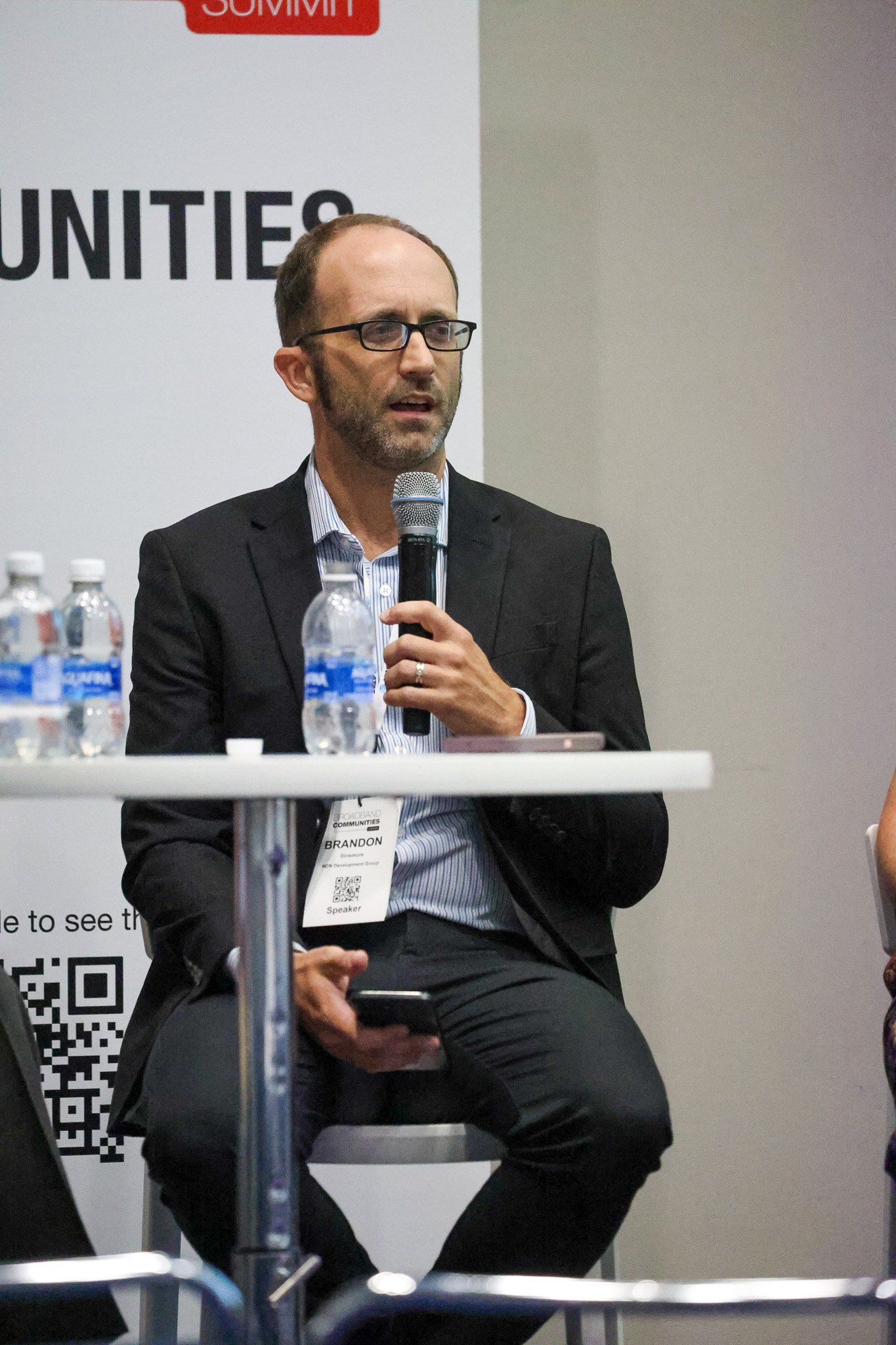
That theme came through clearly during the nonprofit conversations. Brandon Dinsmore of NDN Development Group put it simply: "Just getting connected doesn't quite solve all the problems." Stephanie Georges of Meraki Dignity Project took it another step: "Access doesn't really create the possibility. It's the solutions that leverage the technology that make things possible."
That's the distinction, and it's worth being blunt about it. A fiber passing doesn't change someone's life, a Wi-Fi signal doesn't change someone's life, and a speed test doesn't change someone's life. What someone can do with that connection might.
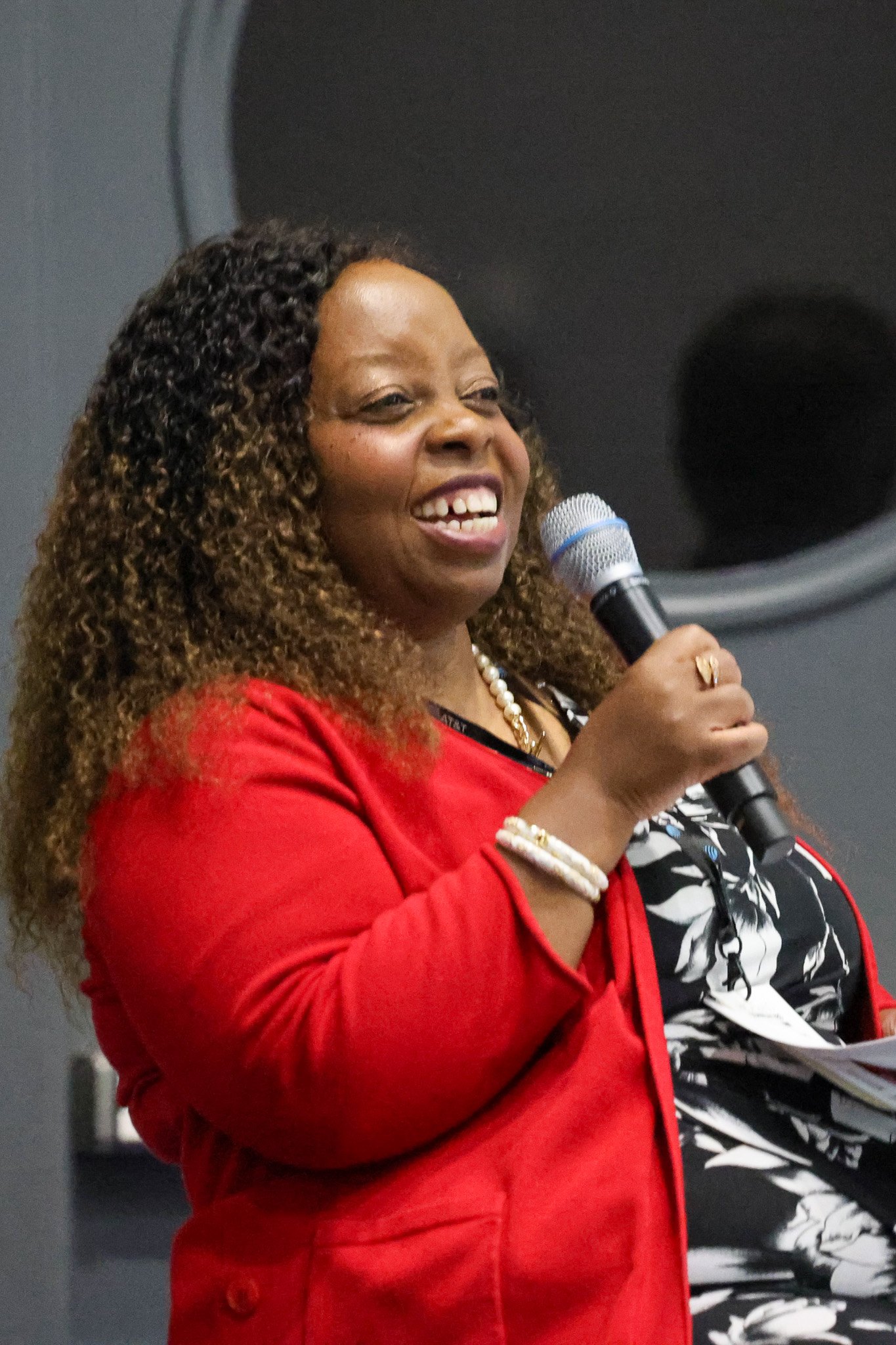
Heather Gate from Connected Nation made another point that stuck with me. We're at a conference called Broadband Communities, we work in broadband, and we talk about broadband all day, but if you walk outside the conference and ask ten random people about their broadband, how many of them even use that word? Ask them about their internet and they know exactly what you're talking about. Maybe that sounds semantic, and I don't think it is, because the language says something about how we think about the problem.
For years, broadband described the infrastructure challenge, and the people we're trying to serve aren't thinking about infrastructure. They're thinking about whether they can get online, whether their kids can do homework, whether they can work, whether they can see a doctor, whether they can start a business and whether they can participate. That's connectivity, and what comes after connectivity is opportunity.
A second digital divide is forming
There's another problem emerging as the first one gets smaller. Just because someone can use an iPhone doesn't mean they're digitally literate, and just because someone can scroll TikTok doesn't mean they understand cybersecurity, AI, online privacy, digital services or how to use technology to improve their education, career or financial future. Nicole Lee's discussion around AI helped crystallize something I've been thinking about for a while.
I think we may be creating a second digital divide. The first was largely about who could get connected. The next may be about who knows what to do once they are.
Nobody funds the long tail
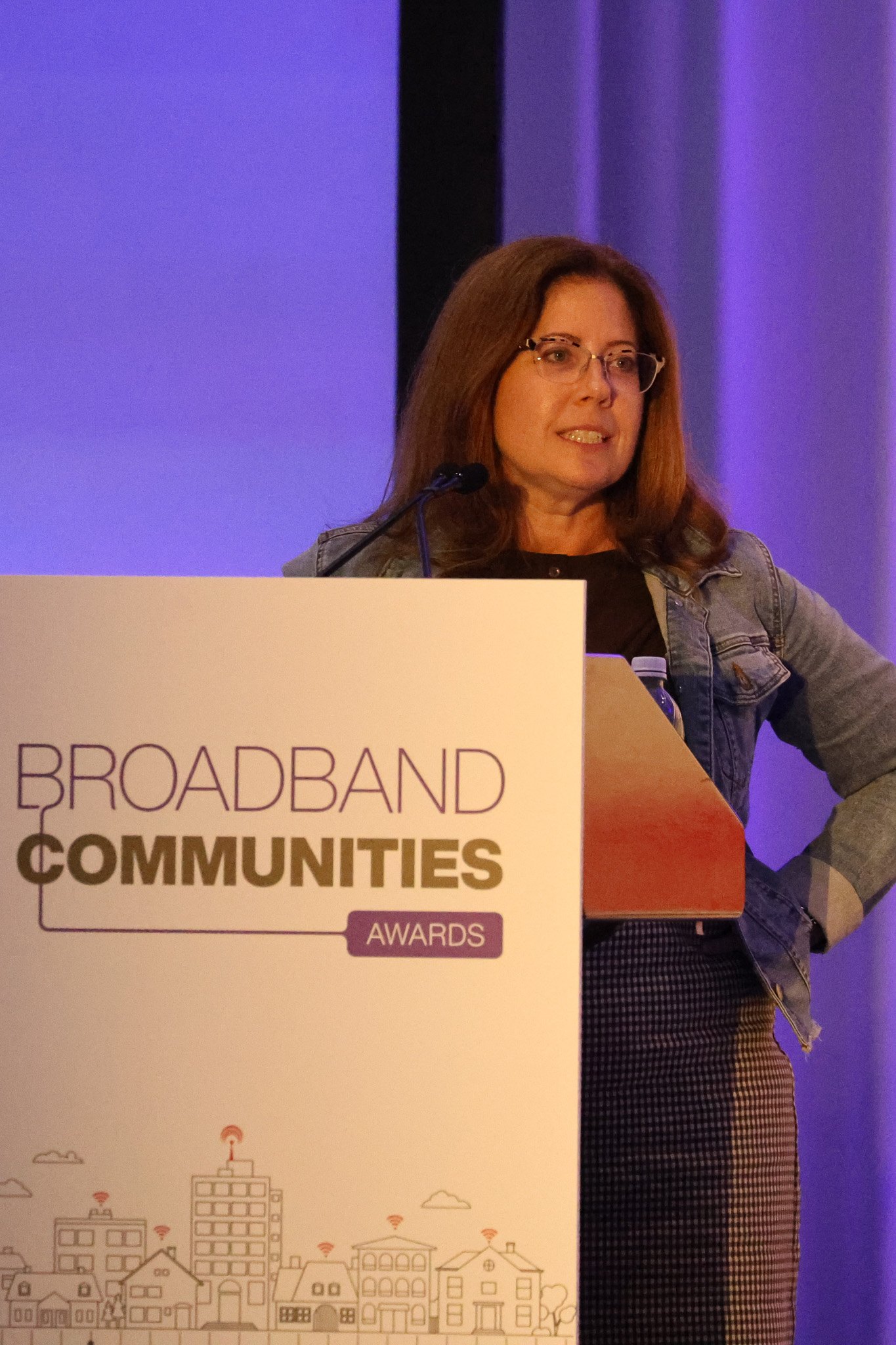
Angela Siefer's discussion of the fight over federal digital equity programs reinforced just how important that human side of connectivity remains, and it led me back to one of the biggest questions I had during the Summit, which is who funds the long tail. Who teaches someone how to recognize an AI-generated scam? Who helps a senior citizen access telehealth? Who teaches someone how to apply for a job online, and who helps a small business owner understand what AI could do for their business? Who stays? That's the long tail of connectivity, and we aren't finished until we figure it out.
Does the farmer care which technology it is?
Laurel Leverrier from USDA gave one of my favorite answers of the Summit when she talked about connectivity in rural America and described farmers and ranchers as essentially technology neutral: "Our farmers and ranchers are completely technology neutral. They want all of it." And of course they do, because they want fiber at the house, wireless across the property and satellite where neither of those reaches. The farmer doesn't care about our technology argument, they care whether it works where they need it.
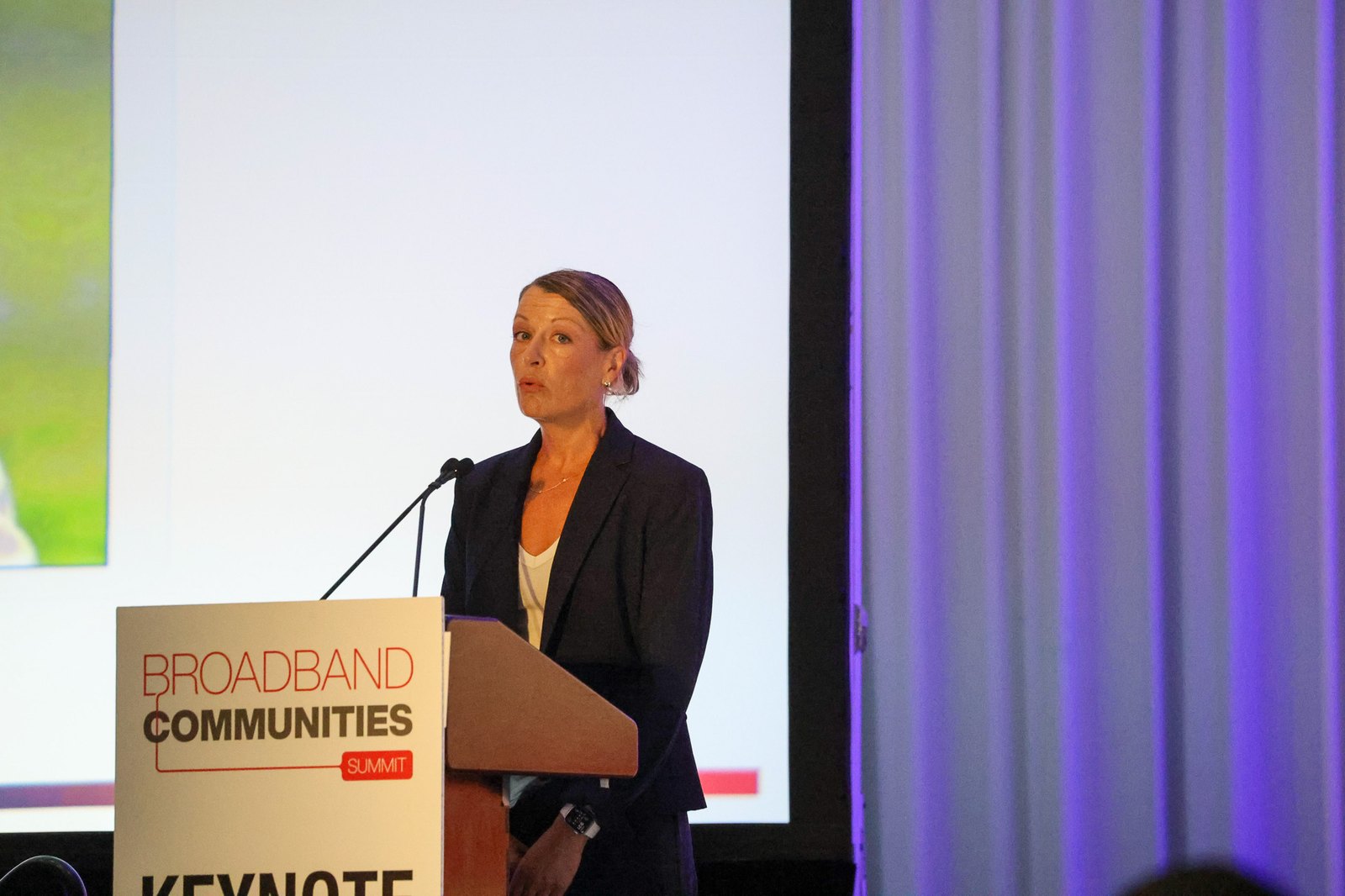
Her Alaska example made the same point at a much larger scale, because a middle-mile fiber investment might look difficult to justify if all you're doing is counting households. Those households aren't the entire community, though. There are businesses, there are people working remotely and there are jobs that don't exist without connectivity. That is where another piece of this conversation deserves much more attention, and that piece is workforce development. Once someone has connectivity, a device and the skills to use them, what are we enabling them to do?
Four legs, and education is the weakest
I kept coming back to this throughout the Summit, because if we're serious about turning connectivity into opportunity there are four things we have to solve. Connectivity, because the network has to exist. Devices, because people need something useful to connect with. Education, because they need the skills to use those devices safely, confidently and productively. And workforce development, because we have to create pathways for all of that connectivity and knowledge to translate into jobs, businesses and economic mobility. Miss any one of those and the stool gets pretty unstable.
Education may be the piece we have underestimated the most. I had a fantastic conversation with Connected Nation about programs that put younger people in a position to become technology resources inside their own communities, and I love that model. Imagine a community center where a teenager is teaching an older resident how to recognize an AI fake, use a new digital service or protect an account, and then something interesting happens in the other direction, where maybe the older resident teaches that kid how to write a thank-you note. That's community, and it's a much more interesting outcome than a coverage map turning green.
What makes a network stick after it's built?
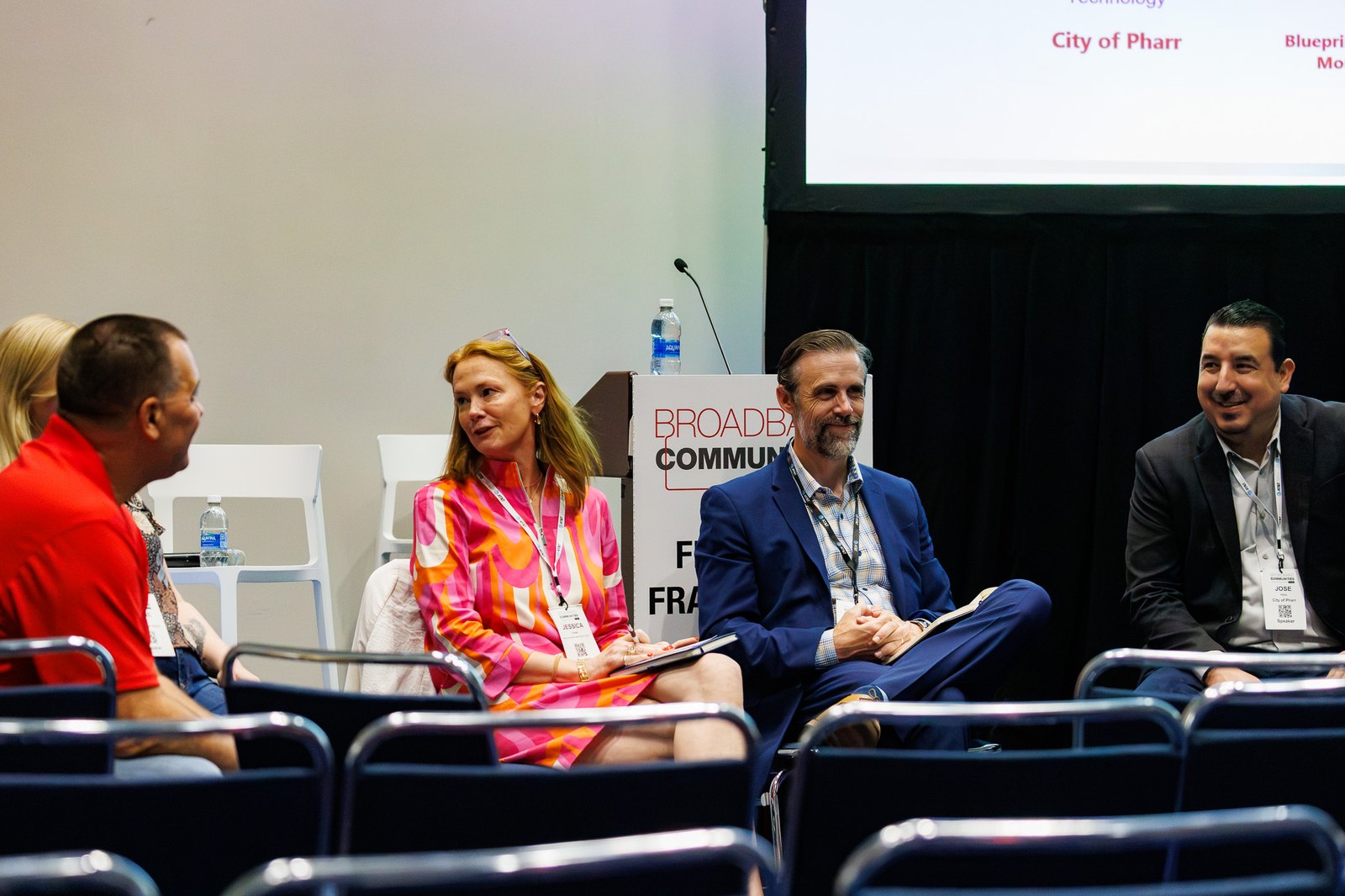
Day two brought another dimension to the conversation, which was how we make all of this stick. Colby Humphrey of The Pew Charitable Trusts talked about the need to think beyond today's requirements when public money goes into these networks: "Speed is one question, but scalability to us is a big piece of this." That's incredibly important, because we're putting enormous amounts of infrastructure into the ground, and it needs to survive, it needs to scale, and the organizations operating it have to remain financially healthy enough to support it.
Jose Peña and the City of Pharr provided one of the best examples, partly because I've watched that story unfold close to home.
Roughly 13,100 subscribers in, Pharr's network reached operating break-even in about two years, and Peña explained that subscriber revenue could then support additional people, construction and reinvestment. Pharr didn't just build a network and declare victory: they built an affordable service, they went into the community, they worked on adoption, they trained residents in digital literacy and they distributed devices. That's an important distinction, because a broadband project gets built while a connectivity ecosystem sustains itself. And that requires customers, which means it requires something we don't always talk enough about in infrastructure conversations, which is great customer service.
Customer service is network architecture
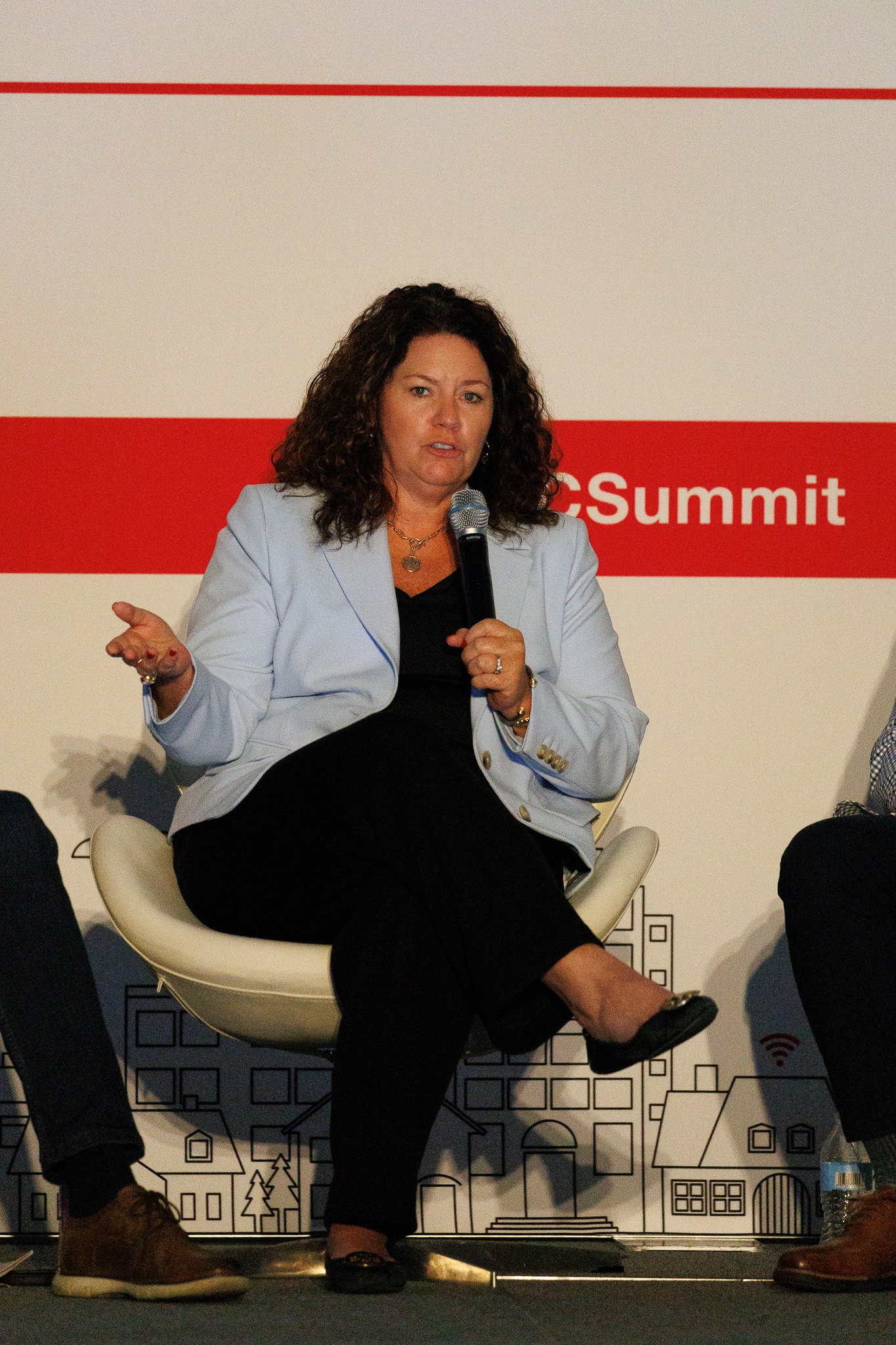
This became especially obvious during the MDU conversations. Elizabeth Parks of Parks Associates put it succinctly: "It's well beyond the speed now. It is going to be on the reliability of the network." She's right, because when everybody starts offering a gigabit, a gigabit stops being interesting, and what matters is whether it works everywhere, every time, on every device.
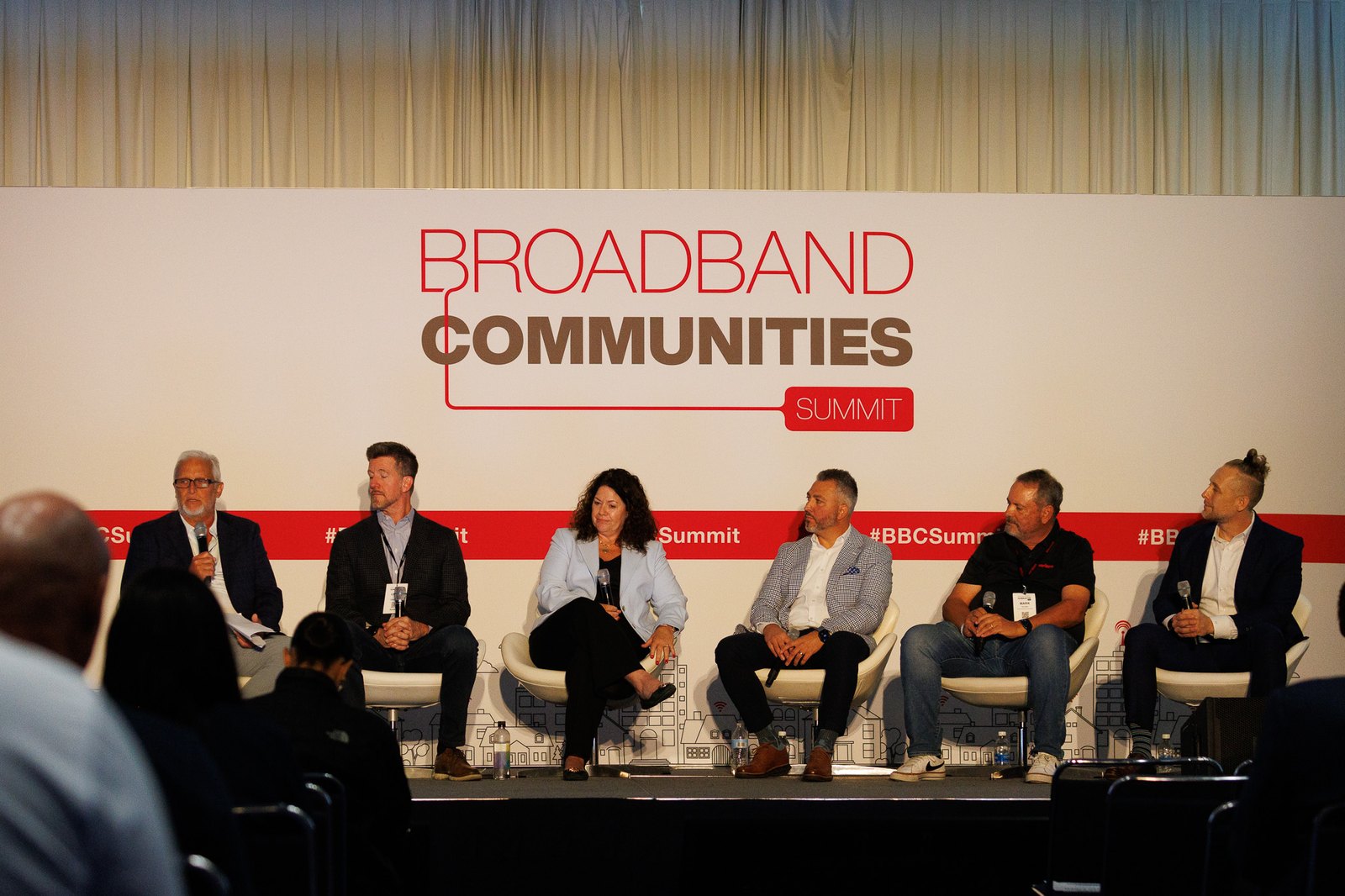
That fundamentally changes the role of the service provider and the MSP. The customer doesn't care whether the problem happened at the ISP, the router, the Wi-Fi network, the smart television, the thermostat, the application or somewhere back in a data center. They know Netflix isn't working, they know their Zoom call dropped, they know the door lock isn't responding, and they know who they're calling. If you're going to own the relationship, you increasingly own the entire relationship, from the device all the way to the data center.
That makes customer service part of network architecture. Adoption and retention both come down to whether the service works and whether someone answers the phone. The long tail isn't only keeping the fiber lit, it's keeping the customer happy.
Why is the network becoming part of the building?
This is where the MDU side of Broadband Communities started making much more sense to me, because companies are trying to make connectivity disappear. Not literally, but they want the complexity to disappear. Xfinity Communities was probably the clearest example on the floor, where their SLIP model, Service Left in Place, and the MXB1 gateway change the relationship between the resident and connectivity. You move into the apartment and it's there. You don't drive to Best Buy, you don't buy a router and you don't figure out which modem works, because the property owner and provider have already solved that problem.
It's happening elsewhere in the industry too. Meter isn't at this conference, but I've been watching them attack enterprise networking from a similar direction, and when real-estate groups are investing in network companies and networks are being installed as part of the property itself, that's a signal. The network is becoming part of the building, and suddenly the heavy MDU presence at Broadband Communities felt less disconnected from everything else. It may actually be a leading indicator.
What happens when the technology itself disappears?
That made my conversation with the Cambium Networks team particularly interesting, because I got to spend some time looking at what they're doing around MDU and property management as well as the direction of Maestro X. Their new app-store approach isn't about putting Angry Birds on an access point, it's about adding intelligence: check configurations across the network, look for inconsistencies, examine channel plans and identify potential problems. It takes something that once required an experienced network engineer digging through configuration screens and turns it into something much easier to understand and act on.
They didn't show me some secret future product and I'm not suggesting there's breaking news here, but it's hard not to look at where this is heading. We've watched this progression elsewhere, from visibility to intelligence to automation and eventually to autonomy. The closer these networks get to self-driving, the easier they become for property owners and managers to deploy without needing an RF engineer standing behind them, and that's exactly what the rest of the MDU conversation is asking for: make the technology work so well that people stop thinking about the technology.
Elsewhere on the floor I probably spent more time than a normal human should being fascinated by LightTerra's tiny couplers, which reminded me of Chinese finger traps for microduct and are aimed at brownfield MDU buildings where pulling conventional cable is incredibly difficult. That wasn't the story of the Summit for me, but it was evidence of it, because everyone is trying to remove another piece of friction.
The identity crisis is the story
That's what brings me back to my original confusion about this conference, and to the question of why one side feels like an MDU and property-management conference while another feels like a municipal broadband, rural connectivity and digital-equity conference. It's because they're approaching the same destination from opposite directions. One side is asking how we make connectivity so ubiquitous and simple that the user barely knows it's there, and the other is asking how we make sure everyone has the opportunity to get there in the first place. Sitting between them is the piece that determines whether either side succeeds, which is education and support.
I don't think we've solved broadband. There are still networks that need to be built, communities that need funding, difficult business cases, and far too many people for whom affordability remains the biggest barrier of all. But we're much better at solving the infrastructure problem than we were, because the models exist, the technologies exist and the success stories exist. So maybe this isn't about shifting our attention away from broadband, maybe it's about recognizing that we're ready to add the next chapter.
Do this
- Solve all four legs: connectivity, devices, education and workforce development.
- Own the entire relationship, from the device to the data center.
- Work out who funds the long tail before the build finishes.
If you want the worked example, it's Pharr: an affordable service, adoption work, digital literacy training, devices, and a network at operating break-even in about two years.
Broadband in the rearview mirror
I keep imagining driving down a road and looking in the rearview mirror, and back there is broadband. It isn't disappearing and it isn't unimportant, it's the road underneath us. On the horizon are two words I think describe where this industry needs to go next, which are connectivity to opportunity. Maybe Heather Gate was onto something bigger than terminology, and maybe broadband itself is becoming a dated word.
We don't differentiate broadband from narrowband anymore, we don't compare email to fax machines, and people don't wake up wondering whether their broadband is functioning. They want to know whether they're connected, and increasingly simply being connected isn't enough, because they need to be able to afford it, they need a device, they need to understand it and they need support when it fails, and ultimately they need a way to turn that connectivity into opportunity.
Maybe someday this isn't the Broadband Communities Summit, maybe it's the Community Connectivity Summit. Whatever we call it, I think that's where the conversation is headed, and after spending two days listening to the people building networks, funding them, operating them, teaching people to use them and figuring out how to make them last, that's what I'm taking home from Houston. Broadband built the road, and now we have to figure out where it can take us.